Why you need a Backup Water Tank
As Johannesburg continues to face the challenges of water shedding, residents are increasingly turning to water storage solutions to ensure a reliable water supply during periods of disruption. One effective method is the installation of backup municipal water tanks. These tanks can provide a much-needed source of water during water shedding events, ensuring that residents have access to clean, safe water for everyday use. In this article, we’ll explore why water shedding occurs, how backup municipal tanks can be a solution, and how residents can go about storing water effectively.
What is Water Shedding and Why Does It Happen in Johannesburg?
Rand Water recently announced ‘Water shedding’, much like power shedding, is a response to an overloaded or insufficient water supply system. In Johannesburg, this has become increasingly common due to several factors:
- Climate Change and Droughts: South Africa, already a water-scarce country, has seen increasingly erratic rainfall patterns. Prolonged droughts and reduced water levels in the country’s dams have left Johannesburg’s water supply vulnerable.
- Aging Infrastructure: The city’s water infrastructure, including pipes, reservoirs, and treatment plants, is aging and in need of repairs and upgrades. This often leads to inefficiencies and, in some cases, breakdowns that disrupt water supply.
- Rapid Urbanization: As Johannesburg’s population continues to grow, the demand for water has increased. Unfortunately, the existing infrastructure has struggled to keep up with this demand, leading to shortfalls during dry spells.
During water shedding, specific areas of the city experience limited or interrupted water supply, often for several hours or days at a time. This disruption can be especially problematic for daily activities such as cooking, cleaning, and maintaining personal hygiene. That’s where backup water storage solutions, such as municipal water tanks, come in.
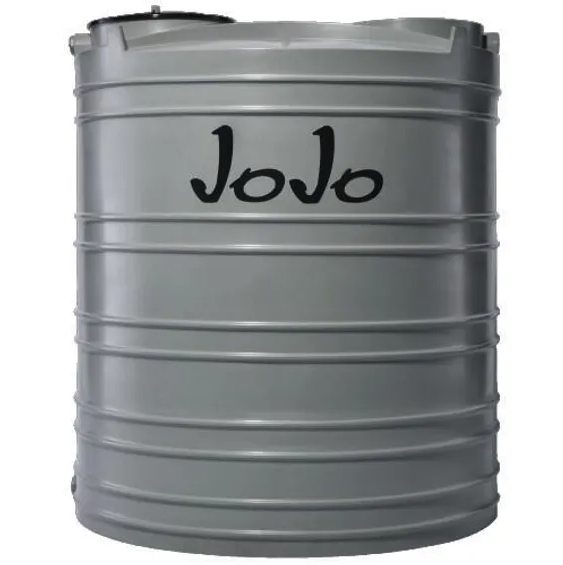
Why Should You Consider a Municipal Backup Solution?
For residents facing the uncertainty of water shedding, having a backup supply of water is becoming a practical necessity. Water storage tanks provide a means to store clean, safe water that can be accessed when the municipal water supply is cut off or reduced. Here are the main reasons why you might consider investing in backup water tanks:
- Ensure Access to Clean Water: Water tanks allow you to store potable (drinkable) water, which is crucial for daily living. By having a backup supply, you can ensure you still have water for drinking, cooking, and personal hygiene, even during a water shedding event.
- Prepare for Emergencies: Water shedding is unpredictable and can be triggered by various factors, including infrastructure breakdowns or seasonal droughts. By storing water in advance, you can reduce the stress and inconvenience that comes with these disruptions.
- Increase Independence: When you have your own water tank, you reduce your reliance on municipal supply. If a water shed affects your area, you won’t need to rely on alternative sources like water tankers or neighboring areas with functioning supply.
- Save Money in the Long Run: While there is an initial cost for setting up a water tank, it can save you money over time by reducing your water consumption from the municipal supply. You can also use stored rainwater for non-potable purposes, such as irrigation, which further decreases reliance on municipal water.
How to Set Up Backup Municipal Water Tanks
If you’re considering installing a water storage tank in your home, there are several steps and considerations to ensure that it meets your needs and helps you cope with water shedding.
- Choosing the Right Tank: There are various types of water storage tanks, including plastic, steel, and concrete options. Plastic tanks are the most common due to their affordability, ease of installation, and resistance to corrosion. When selecting a tank, consider the following:
- Capacity: Water tanks come in a range of sizes, typically from 500 liters to several thousand liters. The size of the tank will depend on your household’s water usage and the space available for installation.
- Material: High-quality polyethylene (plastic) tanks are widely used and are UV-resistant, which prevents the water inside from being exposed to sunlight, reducing the risk of algae growth.
- Location: The tank should be placed in a cool, shaded area where it won’t be exposed to direct sunlight. Installing the tank near your home’s main water entry point is ideal for easy access.
- Installation Process: Installing a water storage tank is typically straightforward, but it’s important to ensure that the tank is securely set up to avoid leaks or damage. You will need to:
- Prepare a stable, level surface for the tank.
- Have the tank connected to your home’s plumbing system, or use a standalone system that allows you to manually transfer water from the tank as needed.
- Install a filtration system if you intend to use the stored water for drinking or cooking, as this will help remove any impurities or contaminants.
- Maintenance and Monitoring: Regular maintenance of your water tank is essential to ensure that it continues to provide safe water during water shedding events.
- Clean the Tank: At least once a year, clean the tank thoroughly to remove any dirt, algae, or debris that may have accumulated. This will help prevent contamination of your stored water.
- Inspect for Leaks: Periodically check the tank and plumbing for leaks or cracks, which could reduce your water storage capacity and waste water.
- Water Filtration: If you’re using stored water for potable purposes, ensure the filtration system is functioning properly. Replace filters as recommended to maintain water quality.
- Storing Rainwater: Many residents also choose to install a rainwater harvesting system alongside their backup tank. This system collects rainwater from your roof, which can then be filtered and stored in your tank. Rainwater harvesting is an excellent way to supplement your municipal water supply, especially during dry seasons.
Speak to GotWater if you have any questions about the installation of your system.
What to Do During Water Shedding
When water shedding occurs, your backup tank can be a vital resource. Here are some tips on how to manage your stored water during outages:
- Prioritize Essential Uses: Use the stored water for drinking, cooking, and sanitation first. You can conserve water for non-essential tasks, like cleaning and gardening, by using other sources such as rainwater or water from a nearby tank if available.
- Stay Informed: Keep track of the water shedding schedule if available in your area, so you can plan ahead and maximize your stored water usage during outages.
- Limit Wastage: Be mindful of how much water you use from your tank. This will help ensure that you don’t run out of water before the next water supply is restored.
By storing water, you not only ensure that you have access to a vital resource during disruptions, but you also gain more control over your water usage and reduce dependence on the municipal supply. With the right tank, proper installation, and routine maintenance, you can safeguard your household from the inconvenience of water shedding and ensure a more sustainable and independent water supply for the future.